

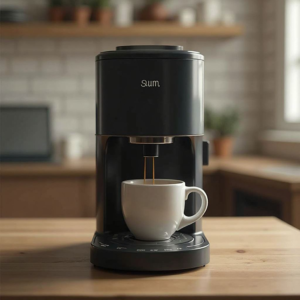
 I never really cared about coffee makers until I bought a cheap one that made absolutely terrible coffee. I mean, I thought coffee was just coffee, right?
You put grounds in, water goes through, and you get a drinkable cup that wakes you up in the morning.
Turns out I was completely wrong about that.
After months of drinking bitter, weak coffee that tasted vaguely burnt no matter what beans I used, I finally decided to figure out what was actually going wrong. I started reading reviews, watching videos, and honestly going down a pretty deep rabbit hole about brewing temperature, extraction time, and all these variables I had never even considered. What I uncovered completely changed how I think about my morning routine and what actually makes good coffee at home.
The biggest revelation for me was learning that most home coffee makers are deliberately designed to brew at temperatures that are too low for proper extraction. Like, manufacturers actually know this and still ship machines that heat water to only 185°F when the ideal range is 195-205°F.
That single fact explained so much about why my coffee tasted the way it did, and it made me realize that choosing the right machine means understanding what actually matters for flavor as opposed to getting distracted by fancy features or sleek design.
Understanding What Actually Makes Coffee Taste Good
The foundation of choosing any coffee maker comes down to one critical factor that most people never even think about: temperature control. I spent years assuming that expensive machines were just status symbols or that the difference between a $30 machine and a $300 machine was mostly aesthetic.
The reality is way more interesting and frankly a bit frustrating when you realize how many manufacturers cut corners on the one thing that matters most.
Water temperature during brewing determines how well you extract flavors from your coffee grounds. When water is too cold, and again, most budget machines hover around 185°F, you end up with under-extracted coffee that tastes sour, weak, and one-dimensional.
When water is too hot, you get over-extraction, which brings out harsh, bitter compounds.
The sweet spot of 195-205°F is where you actually pull the nuanced flavors, the subtle fruit notes, the chocolate undertones, all the things that make quality coffee worth drinking.
What really blew my mind was learning that temperature consistency between brews matters just as much as hitting the right temperature in the first place. Some machines will brew at 200°F one morning and 190°F the next, which means your coffee quality is basically a lottery.
Premium machines use PID temperature control, technology borrowed from commercial espresso equipment, to maintain precise, consistent temperatures every single time.
The difference in your daily cup is honestly night and day.
Beyond temperature, the way water distributes over your coffee grounds plays a huge role in extraction quality. Cheaper machines often have a single drip point that just dumps water onto one section of the grounds, leading to uneven extraction.
Better machines use showerhead designs that distribute water evenly across the entire coffee bed, which is why some people call them “rainmaker” showerheads.
This even saturation is exactly what baristas achieve manually with pour-over methods, but automated into a convenient machine.
Water contact time also influences extraction. If water rushes through too quickly, you get weak, under-extracted coffee.
If it pools and sits too long, you get muddy, over-extracted bitterness.
Quality machines control flow rate to keep water in contact with grounds for the optimal duration, typically four to six minutes for a full pot. This timing works together with temperature to create balanced extraction.
The filter basket design matters more than you’d think. Flat-bottom baskets promote even extraction across all grounds, while cone-shaped baskets can create channeling where water finds easy paths through the coffee bed instead of saturating everything uniformly.
Machines with well-designed baskets help confirm that every gram of coffee contributes equally to your final cup as opposed to having some grounds over-extracted and others barely touched.
Types of Coffee Makers and What They’re Actually Good For
Drip coffee makers stay the most popular choice for really good reasons. They’re straightforward, they can brew many cups at once, and when you get a quality model, they produce consistently excellent coffee without requiring any special technique.
The automation handles heating and dispensing while you just measure coffee and water.
For most households brewing coffee daily, a quality drip machine makes the most practical sense.
Single-serve coffee makers appeal to people living alone or households where everyone drinks coffee at different times. The convenience factor is genuinely hard to beat, you pop in a pod or fill a reusable basket, press a button, and you’ve got a fresh cup in under two minutes.
The environmental concerns around pods are legitimate, though reusable filter options have gotten much better in recent years.
What surprised me about single-serve machines is that the machine itself is often inexpensive, but the per-cup cost of pods adds up really quickly. You’re basically trading convenience for long-term cost.
Pour-over coffee makers like the Chemex or Hario V60 give you finish control over every variable in the brewing process. I went through a phase where I was really into manual pour-over, and there’s something genuinely meditative about the ritual.
You heat water in a gooseneck kettle, you bloom the grounds, you pour in slow circles, the whole experience becomes this morning ceremony.
The coffee can be absolutely spectacular when you dial everything in correctly. The downside is that it needs time, attention, and practice to get consistent results.
On busy mornings, I honestly just want to press a button.
French press and AeroPress methods use immersion brewing, which produces really full-bodied coffee with different characteristics than drip methods. The AeroPress specifically has developed this cult following because it’s portable, nearly indestructible, and brews surprisingly complex coffee in about two and a half minutes using pressure.
I keep one for travel because hotel coffee is usually terrible, and the AeroPress let’s me make something actually enjoyable with just hot water and pre-ground coffee.
Espresso machines represent a completely different category requiring significantly more investment, skill, and maintenance. They use pressure to force hot water through finely-ground, compacted coffee, creating concentrated shots with crema on top.
Quality espresso machines start around $300 and go up to several thousand dollars.
They need careful temperature management, precise grinding, and proper tamping technique. For people who primarily drink lattes, cappuccinos, and espresso-based drinks, investing in an espresso setup makes sense.
For people who mostly drink regular coffee, a drip machine is the better choice.
Dual and combo machines have become increasingly common as people want versatility without buying many appliances. These machines mix drip coffee with espresso capability, sometimes adding built-in grinders.
They take up more counter space and usually cost significantly more, but for households that want both regular coffee and occasional lattes, the consolidation makes sense.
The tradeoff is that combo machines rarely excel at both functions the way dedicated machines do.
The Speed Myth That Nobody Talks About
One of the most counterintuitive things I learned is that faster brewing doesn’t mean worse coffee. I had this assumption that quality required time, that good coffee needed to slowly drip through over ten or fifteen minutes.
The Technivorm Moccamaster completely destroyed that belief by brewing a full pot in just over four minutes while producing some of the best-tasting coffee I’ve ever made at home.
The revelation is that precise temperature control matters infinitely more than brewing duration. A machine that maintains 200°F throughout a four-minute cycle will extract better flavors than a machine that takes eight minutes but fluctuates between 185°F and 195°F.
The Moccamaster achieves this through a powerful heating element and excellent engineering that brings water to ideal temperature quickly and maintains it throughout the brew.
This speed advantage has practical implications beyond just taste. On mornings when I’m running late, having fresh coffee ready in under five minutes from the moment I press the button is genuinely valuable.
I’m not standing around waiting, I’m not tempted to grab expensive coffee from a shop on my way to work.
The machine is fast enough that making coffee at home stays convenient even on chaotic mornings.
Some machines even allow you to adjust brew speed if you prefer slower extraction for certain roasts or recipes. The Moccamaster includes a drip-stop lever that let’s you slow the brew manually, which gives you control without sacrificing speed when you don’t need it.
That kind of flexibility reflects really thoughtful design.
Speed also relates to heating element power. Stronger heating elements bring water to temperature faster and maintain it better throughout brewing.
This is why many premium machines use copper boilers or high-wattage heating systems.
The upfront power translates to better extraction and more consistent results across consecutive brews.
Thermal Carafes vs Glass Carafes
The carafe decision initially seemed minor to me, just a preference thing. After using both types extensively, I’ve developed strong opinions about why thermal carafes are almost always the better choice.
Glass carafes sit on hot plates that continue heating the coffee after brewing finishes. This keeps the coffee warm for extended periods, which sounds convenient until you realize what it does to flavor.
Continued heating causes coffee to develop burnt, bitter notes that completely overpower the subtle flavors you extracted during brewing.
If you’ve ever noticed that coffee tastes progressively worse the longer it sits in a glass carafe, that’s exactly what’s happening. The hot plate is cooking your coffee, breaking down aromatic compounds and creating harsh flavors.
Thermal carafes use insulated construction to maintain temperature without extra heating. The coffee stays hot for hours through pure insulation, preserving the flavor profile you created during brewing.
I’ve had coffee stay genuinely enjoyable for three or four hours in a good thermal carafe, whereas glass carafe coffee starts tasting harsh after about thirty minutes on the hot plate.
The practical advantages extend beyond flavor preservation. Thermal carafes eliminate the fire hazard of leaving a hot plate running, they use less electricity, and they don’t require you to remember to turn anything off.
The main downside is that thermal carafes cost more to replace if you break one, and you can’t see the coffee level through opaque insulation.
Some newer thermal carafes include level indicators or windows to solve the visibility issue.
Premium machines like the OXO Brew 8-Cup and Ratio Six ship with thermal carafes as standard equipment, which tells you something about what serious manufacturers prioritize. Budget machines almost always use glass carafes because they’re cheaper to produce, but even in the budget category, you can find thermal options that are worth the slight price increase.
The material quality of thermal carafes varies considerably. Cheap thermal carafes lose heat quickly because they use thin insulation or poor sealing.
Quality thermal carafes maintain temperature for hours because they use vacuum insulation similar to high-end thermoses.
When evaluating thermal carafe machines, checking reviews specifically about heat retention helps identify which models actually deliver on the thermal promise.
Features That Actually Matter vs Marketing Gimmicks
Programmable auto-start timers let you load the machine the night before and wake up to fresh coffee brewing automatically. I was skeptical about whether this feature actually mattered until I started using it regularly.
There’s something really nice about waking up to the smell of coffee already brewing, and it eliminates one decision from my groggy morning routine.
Machines like the Ninja 12-Cup and Breville Precision Brewer include reliable timer functions that I’ve used consistently for months without issues.
Bloom pause features copy specialty barista techniques by first saturating the coffee grounds, then pausing to let them expand and release gases before running the full brew cycle. This pre-infusion step genuinely improves extraction, especially with freshly roasted coffee that has more trapped CO2.
What’s interesting is that this used to require manual pour-over technique, but now it’s automated into machines at various price points.
The difference in flavor is subtle but noticeable, you get more complexity and better balance.
Removable water reservoirs make filling and cleaning significantly easier. I’ve used machines with fixed reservoirs that require carefully pouring water into the back, and I’ve used machines with removable tanks you can fill at the sink.
The removable design wins every single time for convenience and cleaning access.
This seems like a small detail until you’re doing it every morning, and then it becomes genuinely important for maintaining the habit of making coffee at home.
Automatic shutoff prevents the machine from running indefinitely if you forget to turn it off. Beyond the obvious safety and energy benefits, this feature provides peace of mind when you’re rushing out the door and can’t remember if you turned the machine off.
Every modern machine should include this, though you’d be surprised how many budget models skip it.
Sneak-a-cup functionality let’s you pause mid-brew to pour a cup while the machine continues making the rest of the pot. I use this feature maybe once a month when I’m really impatient, and it works perfectly on machines like the Technivorm Moccamaster and OXO Brew models.
It’s convenient but not essential.
Digital displays and app integration represent the high-tech end of coffee maker features. The Fellow Aiden uses smartphone app control to unlock customizable brewing profiles where you can adjust temperature, bloom time, and flow rate to chase specific flavor notes.
For coffee enthusiasts who want to experiment with different recipes and roasts, this level of control is genuinely valuable.
For people who just want good coffee without thinking about it, app integration is probably overkill.
Built-in grinders add convenience by grinding beans immediately before brewing, which maximizes freshness. The tradeoff is added complexity, more parts that can break, and harder cleaning.
Burr grinders built into coffee makers work better than blade grinders, but they still don’t match the consistency of standalone burr grinders.
If you’re serious about coffee quality, buying a separate grinder gives you better results and more flexibility.
Design and Ritual Matter More Than I Expected
I used to think that caring about coffee maker aesthetics was superficial, that function should be the only consideration. After living with various machines, I’ve completely changed my perspective on how design and ritual affect the daily experience of making coffee.
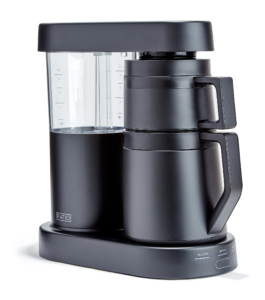 The Ratio Six transformed my understanding of this completely. The machine uses metal and glass construction that feels weighty and intentional in a way that plastic machines never do.
The tactile switch clicks satisfyingly, the copper boiler element is visible, the whole process of brewing becomes this small morning ritual that I genuinely look forward to.
It sounds ridiculous to say that a coffee maker brings calm to my morning, but the combination of beautiful design and excellent coffee actually does enhance the experience beyond pure function.
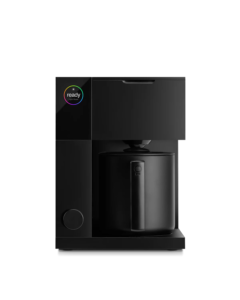 The Fellow Aiden takes a different aesthetic approach with modern, minimalist design that looks like it belongs in a contemporary café. The matte finish and clean lines appeal to a different sensibility, but the principle is the same, thoughtful design makes the object more enjoyable to use daily.
When your coffee maker looks good on the counter, you’re more likely to keep it out and use it consistently as opposed to hiding it in a cabinet.
Even budget-friendly machines like the OXO Brew 8-Cup show that good design doesn’t require premium pricing. The OXO models feature intuitive controls, compact footprints, and clean aesthetics that work in small kitchens without looking cheap.
The LED display is clear and informative without being cluttered with unnecessary information.
The ritual aspect extends beyond visual design to the actual process of making coffee. Some machines intentionally require multi-step processes, removing brew baskets, positioning carafes, engaging switches, that feel meditative as opposed to inconvenient.
This runs completely counter to the trend of automation and one-button simplicity, but for certain people, myself included, the hands-on engagement makes the coffee taste better somehow.
It’s psychological, sure, but the effect is real.
Budget Considerations and Where to Invest
Coffee maker pricing spans from under twenty dollars for basic Mr. Coffee models to over three hundred dollars for premium machines like the Technivorm Moccamaster. Understanding where money actually improves performance versus where you’re paying for unnecessary features is crucial for making a smart investment.
In the budget category under fifty dollars, you’re getting basic drip functionality without temperature precision, thermal carafes, or advanced features. Machines like the Mr. Coffee Simple Brew work fine if your standards are just “hot brown liquid that contains caffeine,” but they won’t produce genuinely enjoyable coffee.
The water temperature is too low, the distribution is uneven, and the components feel flimsy.
For temporary situations or vacation homes, they’re adequate. For daily use, I’d really recommend spending more.
The mid-range sweet spot between one hundred and two hundred dollars includes machines like the OXO Brew 8-Cup and 9-Cup models. These machines provide temperature consistency, thermal carafes, bloom pause features, and reliable construction at accessible pricing.
The OXO 8-Cup specifically has become my recommendation for friends and family who want quality coffee without researching extensively or spending premium prices.
It’s compact, produces excellent results, and includes thoughtful design touches that make daily use pleasant.
Premium machines above two hundred fifty dollars justify their cost through exceptional temperature precision, superior build quality, and design intentionality. The Technivorm Moccamaster costs over three hundred dollars, which seems absurd until you taste the coffee it produces and realize the machine will likely last a decade or more with minimal maintenance.
The Ratio Six and Breville Precision Brewer occupy similar price territory with different design philosophies, the Ratio emphasizing simplicity and ritual, the Breville offering maximum customization and control.
What I’ve realized about coffee maker budgeting is that spending more upfront often saves money over time. A quality machine that makes coffee you actually enjoy drinking means you stop buying expensive coffee at shops.
If you’re spending five dollars per day on café coffee, even a three hundred dollar machine pays for itself in about two months.
The equation becomes even more favorable when you factor in machine longevity, premium machines last years longer than budget models that need replacement every twelve to eighteen months.
The hidden costs of single-serve machines deserve special mention. Pod-based systems often have low machine prices to get you into the ecosystem, but the ongoing cost of pods or capsules makes them significantly more expensive than batch brewing over time.
A pod costing seventy-five cents per cup versus ground coffee costing maybe fifteen cents per cup adds up to hundreds of dollars annually.
Reusable pod options help reduce this cost but add the inconvenience of measuring and cleaning.
Frequently Asked Questions
What temperature should a coffee maker brew at?
Coffee makers should brew between 195-205°F for proper extraction. Most budget machines brew around 185°F, which is too low and produces weak, sour coffee.
Machines that specify their brewing temperature and maintain it consistently produce significantly better results.
How long should a coffee maker last?
Quality coffee makers from brands like Technivorm, Ratio, and OXO typically last 5-10 years with proper maintenance. Budget machines usually need replacement every 12-18 months.
The longer lifespan of premium machines often justifies their higher initial cost.
Do thermal carafes keep coffee hot?
Quality thermal carafes keep coffee hot for 3-4 hours without affecting flavor. Glass carafes on hot plates continue cooking the coffee, creating burnt, bitter flavors after about 30 minutes.
Thermal carafe models preserve the original flavor profile throughout the day.
Is the Technivorm Moccamaster worth the price?
The Technivorm Moccamaster costs over $300 but brews at precise temperatures, lasts for years, and produces consistently excellent coffee. If you drink coffee daily and want the best possible results from an automatic drip machine, the investment pays for itself by eliminating café purchases.
What’s the difference between drip and pour-over coffee?
Drip coffee makers automate the brewing process with built-in heating and water distribution. Pour-over methods require manual water pouring using a kettle, giving you finish control over variables but requiring more time and skill.
Quality drip machines can match pour-over results with more convenience.
How often should you clean a coffee maker?
You should descale your coffee maker every 1-3 months depending on water hardness and usage frequency. Mineral buildup affects temperature control and flow rate, degrading coffee quality over time.
Use white vinegar or commercial descaling solution to maintain performance.
Are built-in grinders worth it?
Built-in grinders add convenience but increase complexity and make cleaning harder. Standalone burr grinders usually provide more consistent grind quality and flexibility.
If you want maximum coffee quality, buying a separate grinder works better than relying on built-in grinding.
What’s SCA certification for coffee makers?
SCA (Specialty Coffee Association) certification means a coffee maker meets specific standards for brewing temperature, contact time, and brewing capacity. Certified machines like the Technivorm Moccamaster, Breville Precision Brewer, and OXO Brew models consistently produce properly extracted coffee.
Key Takeaways for Choosing Your Coffee Maker
Temperature control between 195-205°F is the single most important factor determining coffee quality, prioritize machines that specify and maintain this range consistently.
Thermal carafes preserve flavor by eliminating continued heating, making them worth the extra cost over glass carafes with hot plates.
Faster brewing doesn’t show lower quality when temperature precision is maintained, machines like the Technivorm Moccamaster prove speed and quality can coexist.
Design and ritual matter for daily satisfaction beyond pure function, choosing a machine you enjoy using makes you more likely to consistently brew at home.
Budget mid-range machines like the OXO Brew series offer excellent value by including essential quality features without premium pricing.
Match machine capacity and features to your actual lifestyle as opposed to buying the largest or most feature-rich option available.
Single-serve convenience comes at significantly higher per-cup costs that add up over time compared to batch brewing.
Water quality and coffee freshness affect results as much as machine quality once you’ve selected equipment with proper temperature control.