

The Real Truth About Choosing a Juicer: What Actually Matters vs. Marketing Hype
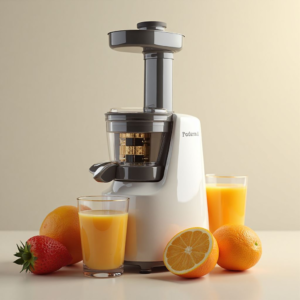 That moment when I realized something crucial changed everything: the “best” juicer has nothing to do with the highest price tag or the most impressive specs. The best juicer is the one you’ll actually use.
If you’re trying to figure out which juicer to buy, you’re probably drowning in contradictory advice. Some sources swear by cold-press masticating models, while others claim Centrifugal juicers work best.
The truth is way more nuanced than anyone wants to admit.
What makes a good juicer depends entirely on your actual lifestyle, not your aspirational one. The juicer market wants you to believe that spending more money automatically means better juice, but spending patterns only tell part of the story. You really need to match the machine to your honest habits:
- how often you’ll genuinely juice
- whether you’re willing to pre-cut produce for 10 minutes
- if you can tolerate the noise it generates
- whether you have counter space to keep it accessible
Let me walk you through what actually matters when you are deciding how to choose a juicer.
Understanding the Four Main Juicer Categories
The juicing world basically divides into four distinct machine types, each serving completely different user needs.
Centrifugal juicers work by spinning produce against a sharp mesh screen at absurdly high speeds. We’re talking 3,000 to 16,000 RPM. They shred fruits and vegetables rapidly, extracting juice through centrifugal force.
These machines cost anywhere from $40 to $150, making them the entry point for most people.
They’re fast, completing a full glass in under two minutes and they accept whole fruits through wide feeding chutes without requiring pre-cutting.
The downside comes from that high-speed spinning generating heat, which accelerates oxidation. Your juice basically starts degrading immediately, and you’ll want to drink it within a few hours.
Centrifugal juicers also produce foamier juice with lower overall yield compared to slower methods.
The mesh screens trap pulp aggressively and need thorough scrubbing during cleanup. For people who juice occasionally and consume immediately, these machines deliver maximum convenience with minimal financial commitment.
Masticating juicers (also called slow or cold-press juicers) operate at 40 to 100 RPM, crushing produce with an auger mechanism as opposed to shredding it. They cost $200 to $1,500 depending on features and build quality.
These machines preserve more nutrients and enzymes because they generate minimal heat during extraction.
Your juice stays fresh for 36 to 72 hours, and you’ll extract about 30% more juice from the same amount of produce.
The trade-off is time and preparation. Most masticating juicers have narrow feeding chutes, so you’ll spend several minutes chopping carrots, apples, and beets into smaller pieces.
The actual juicing process takes longer too.
But they operate nearly silently, which matters way more than you’d think if you’re juicing at 6 AM while your partner is still sleeping. The quiet operation alone converts many people who initially resist the higher price point.
Triturating juicers (twin-gear models) represent the premium category, costing $400 to $2,000. They use two interlocking gears rotating at 80 to 120 RPM to crush produce with exceptional precision.
These machines produce the highest juice quality and yield you can get from home equipment.
Many include multi-function capabilities like making nut butters, grinding coffee, and processing pasta dough.
However, they’re genuinely massive, occupying permanent counter real estate. Cleaning them takes 6 to 10 minutes because you’re disassembling and scrubbing many gear components.
They also struggle with mushy fruits like bananas and avocados, which tend to gum up the gears.
For most households, the performance advantages don’t justify the space requirements and complexity unless you’re running a juice-focused lifestyle.
Vertical versus Horizontal orientation matters more than most buyers realize. Horizontal masticating juicers typically offer better juice yield and multi-function capabilities, but they demand substantial counter space.
Vertical models fit in cabinets between uses and have smaller footprints, but they’re usually single-purpose machines.
For most households dealing with limited kitchen space, vertical designs make way more practical sense.
What Actually Impacts Your Daily Juicing Experience
The specifications manufacturers emphasize rarely align with what decides whether you’ll use a juicer consistently.
Noise levels get weirdly overlooked in most buying guides, but they’re often the deciding factor in whether a machine gets regular use. Centrifugal juicers generate moderate to high noise.
Picture a blender running for two to three minutes.
Masticating and triturating models operate quietly enough to have a conversation over them. If you share living space with anyone or want to juice early in the morning, that noise difference becomes a genuine barrier to use as opposed to a luxury feature.
I learned this the hard way when I bought a centrifugal juicer and started my healthy morning routine at 5:30 AM. My roommate was ready to throw the machine out the window after three days of high-pitched grinding waking her up.
Switching to a masticating model eliminated the tension completely.
Cleaning time matters infinitely more than juice yield for most people. Manufacturers claim comparable 5 to 7 minute cleaning times between centrifugal and masticating models, but this claim is misleading.
Centrifugal juicers have fewer components, but the mesh screens trap pulp excessively and need thorough scrubbing.
Masticating juicers need complete disassembly, with augers and screens requiring detailed cleaning to prevent oxidation and bacterial buildup.
Vertical masticating models clean noticeably faster than horizontal designs because they have fewer crevices where pulp hides. The H70 vertical model specifically gets mentioned for superior cleaning speed, which probably explains why it maintains high user satisfaction despite not having the absolute best juice yield.
When you’re juicing four times weekly, saving three minutes per cleanup session adds up to over two hours monthly.
That time savings directly impacts whether juicing feels sustainable or burdensome.
Pre-cutting requirements add hidden time that manufacturers conveniently minimize. Centrifugal juicers accept whole apples, carrots, and beets through 3-inch feeding chutes.
Masticating juicers typically have 1.5-inch chutes, requiring you to chop everything into smaller pieces.
For a single serving, you’re looking at maybe 5 minutes. For batch juicing, you’re spending 10 to 15 minutes of prep work before you even start the machine.
If you’re genuinely committed to daily juicing, that prep time becomes routine. If you’re a casual juicer hoping to develop the habit, it becomes the friction point that kills consistency.
I’ve watched friends buy expensive masticating juicers with complete enthusiasm, use them religiously for two weeks, then gradually reduce frequency as the chopping requirement wears them down.
Weight and portability rarely get discussed, but they dramatically affect real-world usage patterns. The Cing Auto 10 weighs 16.5 pounds.
Moving that weight between cabinet storage and counter placement many times per week becomes exhausting fast.
Vertical centrifugal and masticating models under 15 pounds work for flexible storage arrangements, while heavyweight horizontal and twin-gear models effectively demand permanent counter placement.
For apartment dwellers and small kitchens, that weight difference decides whether a juicer integrates into your routine or sits in a cabinet gathering dust. My current vertical masticating juicer weighs 13 pounds, light enough that I can pull it out without dreading the physical effort, heavy enough that it feels solid and stable during operation.
Juice Quality Metrics That Actually Matter
Marketing heavily emphasizes juice quality metrics that sound scientific but rarely align with how people actually consume juice.
Oxidation rates get positioned as a major differentiator. Juice from centrifugal machines degrades within a few hours because of heat generation and air incorporation during high-speed extraction.
Cold-pressed juice from masticating models stays viable for 36 to 72 hours because minimal heat and air contact preserve nutrients and prevent enzymatic degradation.
Here’s the thing though: most people drink juice immediately after making it. If you’re consuming juice within 30 minutes of extraction, oxidation differences become completely irrelevant.
The cold-press advantage only matters if you’re batch-making juice for many days or storing it for later consumption.
Marketing teams love emphasizing oxidation because it sounds scientific and important, but for immediate consumption patterns, you’re paying premium prices for benefits you’re not actually using.
Juice yield creates the most compelling financial argument for masticating juicers. Extracting 30% more juice from the same produce adds up over time.
If you’re spending $20 weekly on juicing produce, a masticating juicer effectively saves you $6 per week through superior extraction efficiency.
Over a year, you’re saving $312 in grocery costs. Over five years, you’ve saved $1,560, more than enough to justify the premium investment.
But that calculation only holds if you’re juicing consistently. Casual users making juice once or twice weekly benefit minimally from yield advantages.
You need to juice at least four times weekly for the math to actually work in favor of expensive machines.
I track my produce spending because I’m genuinely curious about cost efficiency, and I can confirm the savings are real when usage is consistent.
Pulp content gets treated as measurable quality when it’s entirely subjective preference. Premium models like the J2 and Auto 10 produce juice with minimal pulp using fine stainless steel mesh screens.
Models like the H400 and H70 leave slightly more pulp.
Marketing positions ultra-low pulp as superior, but some nutritionists argue that pulp retention enhances fiber content and improves satiety.
I honestly prefer moderate pulp in my juice. It feels more substantial and satisfying.
My partner wants completely clear juice with zero pulp.
Neither preference is objectively correct, yet the industry universally markets pulp elimination as the standard to achieve. When evaluating juicers, you need to decide your personal pulp preference as opposed to accepting manufacturer definitions of quality.
Foam production follows similar subjective territory. Centrifugal juicers create foamy juice that separates quickly, while masticating models produce less foam that separates slowly.
For immediate consumption, foam presence has essentially zero impact on taste or nutrition.
Foam matters primarily for aesthetic presentation and perceived quality.
Performance Across Different Produce Types
Real-world testing reveals that no single juicer excels at everything. Each design makes trade-offs.
Hard vegetables like carrots, beets, and celery perform exceptionally well in horizontal masticating juicers. The H400 horizontal model specifically dominates celery extraction, producing notably higher yield than vertical choices.
If you’re primarily juicing hard produce, horizontal designs deliver measurably better results.
The longer processing chamber and increased crushing pressure break down fibrous vegetables more thoroughly.
Leafy greens like kale, spinach, and wheatgrass demand masticating or triturating technology. Centrifugal juicers genuinely struggle with soft, watery leaves.
They just shred the greens without extracting much juice.
The slow crushing action of auger-based machines breaks down cell walls effectively, producing actual juice as opposed to expensive pulp. If leafy green juicing represents a significant portion of your routine, centrifugal machines simply won’t work well enough to justify ownership.
Fibrous aromatics like ginger create interesting performance variation. The Auto 10 specifically handles ginger better than competing models, extracting more juice from fibrous roots.
Meanwhile, some vertical masticating juicers struggle with ginger’s tough texture, often jamming mid-process.
I juice ginger regularly for digestive benefits, and finding a machine that processes it smoothly eliminates considerable frustration.
Citrus fruits work in any juicer type, but dedicated citrus attachments or standalone citrus juicers actually produce better results. The Nama J2 includes optional citrus attachments, which makes sense if you’re juicing oranges and grapefruits regularly.
Otherwise, a $20 manual citrus reamer honestly works better than running citrus through expensive machinery.
The pith and membrane from whole citrus can add bitterness when processed through standard juicing mechanisms.
For most households managing diverse produce, you need a juicer that performs adequately across many categories as opposed to optimizing for single ingredients. The J2 and H70 models achieve balanced performance across varied produce, making them practical all-purpose choices despite not having absolute best-in-class performance for any specific vegetable.
The Real Cost Analysis Nobody Shows You
Upfront price represents only part of total ownership costs. Ongoing maintenance substantially impacts long-term expenses.
Replacement parts vary dramatically by machine type. Centrifugal juicers need mesh screen replacement one to two times yearly, costing $36 to $72 annually.
Those screens wear out from constant high-speed contact and accumulated pulp oxidation.
Masticating juicers demand less frequent replacement, with auger screens typically lasting two to three years.
Over a five-year ownership period, a centrifugal juicer incurs $180 to $360 in replacement costs. A masticating juicer might need $100 in replacement parts.
That narrows the initial price gap considerably.
When you factor in replacement expenses, a $100 centrifugal juicer actually costs $280 to $460 over five years, while a $400 masticating juicer costs $500 total. The price difference becomes much less dramatic when viewing total cost of ownership.
Warranty coverage signals manufacturer confidence in durability. Centrifugal juicers typically include 1-year warranties, while masticating models offer 10 to 15 years.
That disparity reflects expected component longevity.
Manufacturers know centrifugal machines have higher failure rates because of motor stress and moving parts.
Realistically, most consumers never invoke warranties because claim processes involve shipping, waiting, and dealing with customer service complexity. But for premium investments over $1,000, extended warranties provide genuine peace of mind, especially for twin-gear models with intricate mechanical gatherings.
Grocery savings through yield efficiency create the most compelling financial justification for premium juicers. If you’re juicing daily with $20 weekly produce budgets, a masticating juicer’s 30% yield advantage saves about $6 weekly, or $312 annually.
A $500 masticating juicer pays for itself within two years compared to a $100 centrifugal model.
However, that calculation requires consistent usage. If your juicer sits unused for weeks at a time, yield efficiency becomes irrelevant.
You’re not saving anything on produce you’re not juicing.
Matching Juicer Type to Your Actual Lifestyle
The optimal juicer choice depends on honest assessment of your realistic usage patterns, not aspirational intentions.
If you’re juicing once or twice monthly (casual exploration phase), centrifugal juicers deliver maximum convenience with minimal financial risk. You get fast extraction, easy operation, and zero guilt about inconsistent use.
Juice degradation doesn’t matter because you’re consuming immediately.
The higher noise level is tolerable for occasional use.
If you’re juicing three to four times weekly (established routine), vertical masticating models provide optimal balance. They’re quieter than centrifugal machines, significantly cheaper than horizontal models, and produce noticeably better juice quality than high-speed extraction.
The pre-cutting requirement becomes manageable routine as opposed to burdensome obstacle.
Cleaning demands are reasonable. Counter space needs stay minimal because vertical designs store in cabinets.
If you’re juicing daily or near-daily (committed enthusiast), horizontal masticating models justify premium investment through yield efficiency and multi-function capabilities. You’ll actually use the nut butter and food processing attachments because you’re already dedicated to plant-based preparation.
The permanent counter placement makes sense because the machine integrates into daily workflow.
Extended warranties provide value because you’re putting serious hours on the motor.
If you’re juice fasting or following intensive health protocols (therapeutic use), triturating twin-gear models support extended shelf life and maximum nutrient preservation. The ability to make nut milks, wheatgrass shots, and specialized preparations justifies the complexity and expense.
Cost becomes secondary to comprehensive functionality.
The most common mistake I see is people buying aspirational machines. They imagine becoming daily juicers, invest in premium masticating models, use them enthusiastically for two weeks, then gradually reduce frequency as cleaning friction accumulates.
Six months later, the $600 juicer sits in a cabinet while they grab smoothies from juice bars.
Storage and Space Considerations That Determine Real Usage
Kitchen real estate dramatically impacts whether juicers get used consistently.
Horizontal masticating and triturating juicers demand permanent counter placement because of weight (20 to 30 pounds for twin-gears) and awkward storage profiles. They’re too heavy to move daily and too large to fit standard cabinets.
If you lack dedicated counter space, these machines become impractical regardless of performance quality.
Vertical masticating models fit standard kitchen cabinets and weigh 12 to 18 pounds, manageable for regular movement between storage and counter. For apartments and compact kitchens, this storage flexibility often becomes the determining factor superseding juice quality preferences.
Lightweight centrifugal juicers under 15 pounds accommodate the most flexible storage patterns. You can keep them in cabinets and retrieve them for occasional use without difficulty.
The trade-off is lower juice quality and higher noise, but those compromises matter less if storage convenience enables consistent use.
I’ve genuinely found that the easier a juicer is to access, the more often I use it. When my horizontal masticating juicer occupied permanent counter space, I juiced almost daily because it was right there, ready to go.
When I moved to a smaller kitchen and had to store it in a cabinet, my juicing frequency dropped to weekly because the setup friction increased.
Critical Decision Framework
Answer these questions honestly when you are deciding how to choose a juicer.
How often will you realistically juice? Not how often you hope to juice, but how often you’ll actually commit to the preparation, operation, and cleanup cycle.
If the answer is “occasionally” or “I’m not sure,” buy an inexpensive centrifugal model.
If the answer is “at least four times weekly,” invest in a vertical masticating juicer.
What’s your noise tolerance? If you’re juicing while others sleep or in shared living spaces, masticating models’ quiet operation becomes essential as opposed to luxurious.
If you’re juicing alone with flexible timing, centrifugal noise is tolerable.
Do you have dedicated counter space? Horizontal and twin-gear models demand permanent placement.
Vertical and centrifugal designs accommodate cabinet storage.
Match the machine to your actual available space, not hypothetical future kitchen configurations.
Will you drink juice immediately or store it? If you’re consuming within 30 minutes of extraction, centrifugal juicers work fine.
Oxidation advantages don’t matter.
If you’re batch-making for many days, cold-press technology becomes essential.
What’s your preparation tolerance? Pre-cutting produce for narrow-chute masticating juicers adds 5 to 15 minutes per session.
If that sounds exhausting, choose wide-chute centrifugal models.
If it sounds like reasonable meal prep, masticating juicers work.
What produce will you primarily juice? If you’re focused on leafy greens and wheatgrass, masticating or triturating models are mandatory.
If you’re juicing mostly hard vegetables and fruits, centrifugal machines perform adequately at fraction of the cost.
Your answers to these questions matter infinitely more than manufacturer specifications, YouTube reviews, or premium features.
Frequently Asked Questions on How to Choose a Juicer
What type of juicer is best for celery juice?
Horizontal masticating juicers extract the most juice from celery because the longer processing chamber and increased crushing pressure break down fibrous stalks more thoroughly. The H400 horizontal model specifically produces higher celery yield than vertical choices.
If celery juice is your primary focus, horizontal designs deliver measurably better results.
Do cold press juicers really preserve more nutrients?
Cold press juicers preserve more nutrients when juice is stored for extended periods. The minimal heat generation and reduced air exposure slow oxidation and enzymatic degradation.
However, if you drink juice within 30 minutes of making it, the nutrient difference between cold press and centrifugal becomes negligible.
The preservation advantage only matters for batch juicing or delayed consumption.
How much juice does a masticating juicer extract compared to centrifugal?
Masticating juicers typically extract 25% to 35% more juice from the same produce compared to centrifugal models. For someone spending $20 weekly on juicing produce, this translates to about $6 in weekly savings, or $312 annually.
The yield advantage justifies premium pricing only if you juice at least four times weekly.
Can you juice leafy greens in a centrifugal juicer?
Centrifugal juicers struggle significantly with leafy greens like kale, spinach, and wheatgrass. The high-speed shredding action produces mostly pulp as opposed to juice because it can’t effectively break down soft, watery leaves.
If leafy green juicing represents a significant portion of your routine, masticating or triturating technology is necessary.
Are vertical or horizontal masticating juicers better?
Horizontal masticating juicers typically produce higher juice yield and offer multi-function capabilities, but they demand substantial counter space and weigh 18 to 25 pounds. Vertical models fit in cabinets, weigh 12 to 18 pounds, and clean faster because of fewer crevices.
For most households with limited kitchen space, vertical designs provide better practical balance between performance and convenience.
How long does fresh juice last from different juicer types?
Juice from centrifugal juicers stays fresh for 2 to 4 hours before oxidation noticeably degrades quality. Cold-pressed juice from masticating juicers stays viable for 36 to 72 hours when stored in airtight containers in the refrigerator.
The extended shelf life supports batch juicing for meal prep or busy schedules.
What’s the quietest type of juicer?
Masticating and triturating juicers operate at 40 to 120 RPM, producing minimal noise that allows normal conversation. Centrifugal juicers spin at 3,000 to 16,000 RPM, generating moderate to high noise comparable to blenders.
For early morning juicing or shared living spaces, masticating models eliminate noise-related friction.
Do expensive juicers actually make better juice?
Expensive juicers justify their cost through durability, yield efficiency, and extended warranties as opposed to dramatically superior juice quality. Independent testing shows mid-range models like the J2 and H70 perform comparably to premium options across most metrics.
The main advantages of expensive juicers appear in long-term reliability and grocery savings through consistent usage patterns.
Key Takeaways
The best juicer aligns with your realistic household behavior as opposed to aspirational health intentions. Casual users benefit most from simple centrifugal models offering low cost and fast operation.
Regular juicers need vertical masticating designs balancing quality, noise, and storage flexibility.
Daily enthusiasts justify horizontal masticating or twin-gear investments through yield efficiency and long-term durability.
Cleaning convenience decides usage consistency more than juice quality. A machine that’s annoying to clean won’t get used regardless of its extraction performance.
Pre-cutting requirements create hidden time burdens that manufacturers minimize but that genuinely impact whether you’ll maintain juicing habits.
Noise levels matter way more than most buying guides acknowledge, especially for households with shared living spaces or morning juicing routines. Storage weight and footprint often become the determining factors for apartments and compact kitchens, superseding performance preferences entirely.
Premium juicers justify their cost only through consistent usage. The yield efficiency and grocery savings need regular juicing to accumulate meaningful financial returns.