

Introduction
 Procrastination is one of the biggest silent killers of potential. You know what you should be doing. You even know how to do it. But somehow, scrolling, snacking, cleaning random things, or “starting tomorrow” feels easier.
If you’ve ever told yourself, “I’m just lazy,” this article is for you.
The truth is, procrastination is rarely about laziness. It’s about how your brain reacts to discomfort, boredom, fear, and overwhelm. The good news? Once you understand what’s really happening, you can fix it—without becoming a motivation junkie or waking up at 5 a.m.
Let’s break it down.
Why You Procrastinate (It’s Not Laziness)
Your brain is designed to avoid pain and seek comfort. When a task feels difficult, boring, uncertain, or emotionally uncomfortable, your brain treats it like a threat.
So it pushes you toward:
-
Quick pleasure (social media, videos, food)
-
Easy wins (small irrelevant tasks)
-
Mental escape (planning instead of doing)
Procrastination usually comes from:
-
Fear of failure
-
Fear of success
-
Overwhelm
-
Perfectionism
-
Low energy and mental overload
If you only fight procrastination with willpower, you’ll keep losing. You must design your actions so your brain stops resisting.
Step 1: Shrink the Task Until It’s Impossible to Avoid

Big goals feel heavy. So your brain avoids them.
Instead of:
❌ “Write a blog post”
Try:
✅ “Open the document”
✅ “Write one sentence”
✅ “Work for two minutes”
Small actions bypass mental resistance. Once you start, momentum takes over.
👉 Rule: Never focus on the whole task. Focus only on the first tiny step.
Step 2: Use the 5-Minute Contract
 Make a simple deal with yourself:
“I will work on this for just five minutes. Then I can stop.”
Most of the time, you’ll continue. But even if you stop, you still win. You built the habit of starting.
Five minutes a day beats zero minutes forever.
Step 3: Remove Friction From Good Habits
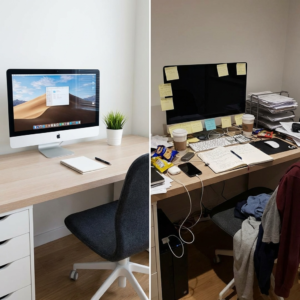
Your environment shapes your behavior more than motivation ever will.
Fix your setup:
-
Put your phone in another room
-
Block distracting websites
-
Prepare your workspace before sleeping
-
Keep tools open and ready
-
Make bad habits inconvenient
Lazy people don’t need more motivation. They need better systems.
Step 4: Lower Your Standards (Seriously)
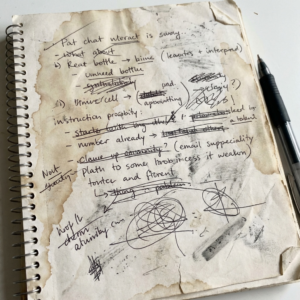 Perfectionism is procrastination wearing nice clothes.
Aim for:
-
Bad first drafts
-
Ugly beginnings
-
Messy progress
A terrible workout beats a perfect plan.
A rough idea beats endless thinking.
You can’t improve what doesn’t exist.
Step 5: Build an Identity, Not a Mood
 Stop depending on feelings.
Motivation comes and goes. Identity stays.
Instead of:
“I’m trying to be productive.”
Say:
“I’m the kind of person who starts even when I don’t feel like it.”
Each small action rewires how you see yourself.
Step 6: Use Immediate Rewards
 Your brain loves quick wins. So reward effort, not results:
-
Coffee after a work session
-
Music only while working
-
A walk after finishing a task
-
Habit tracker streaks
This teaches your brain to associate work with pleasure.
Step 7: Stop Trying to Eliminate Procrastination
 Procrastination never fully disappears.
Even successful people feel resistance.
They just act anyway.
The real skill is simple:
Act while uncomfortable.
A Simple Anti-Procrastination System
Follow this daily:
-
Write down ONE important task
-
Break it into the smallest step
-
Set a 5-minute timer
-
Remove distractions
-
Start before you feel ready
-
Stop when momentum dies
-
Repeat tomorrow
Consistency beats intensity.
Final Thoughts
You are not lazy. You are human.
Once you stop forcing motivation and start designing your environment, expectations, and actions around how your brain really works, procrastination loses its grip.
Start small. Start messy. Start tired.
Just start.