

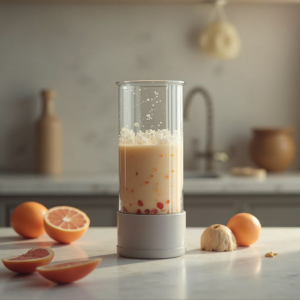
 Finding a blender that handles frozen fruit without burning out takes more than picking a recognizable brand name.
Blenders range from $30 basic models that struggle with ice to $600 professional machines that pulverize whole vegetables into silky soups. The difference comes down to motor power, blade engineering, jar durability, and control features that give you precision over texture.
Some excel at single-serve smoothies for busy mornings, while others tackle large batches of nut butter, crush ice for party drinks, or blend hot soups without cracking.
The standout models mix at least 1000 watts of power with stainless steel blades, many speed settings, and shatterproof jars around 1.5 to 2 liters. You’ll find options with preset programs for common tasks, dishwasher-safe parts for quick cleanup, and attachments that expand functionality beyond basic blending.
Whether you’re looking for a compact personal blender or a full-size countertop workhorse, the best choices balance power with ease of use and last years under daily use.
List of Top Blenders for 2025
1. High-Performance Countertop Blenders (1400+ Watts)
These powerhouses feature commercial-grade motors that handle everything from frozen desserts to hot soups. Expect variable speed dials with 10+ settings, hardened stainless blades, and large 2-liter jars.
They blend kale and ice into smooth green drinks in under a minute, make nut butter without overheating, and include preset programs for common recipes.
Most come with 5-10 year warranties.
Best for: Daily heavy use, large families, recipe variety.
2. Personal Single-Serve Blenders (900-1200 Watts)
Compact designs let you blend directly in a travel cup, then seal it with a lid and go. Despite their size, quality models pack 900+ watts to handle frozen fruit and protein powders without leaving chunks.
Cleanup takes seconds since you rinse one container.
Many include many cup sizes and to-go lids.
Best for: Solo smoothies, small kitchens, quick mornings.
3. Multi-Function Blender Systems
These come with food processor bowls, dough hooks, and whisk attachments alongside standard blending jars. You get one base that handles chopping vegetables, kneading bread dough, whipping cream, and blending smoothies.
Look for at least 1200 watts to power all attachments effectively without bogging down.
Best for: Replacing many appliances, serious home cooks.
4. Immersion Hand Blenders with Attachments
Battery-powered or corded stick blenders bring blending directly to your pot or bowl. High-end versions include whisk and chopper attachments, variable speeds, and ergonomic grips.
You can puree soups right in the pot, whip small batches of cream, or blend sauces without transferring to another container.
Cordless models offer ultimate flexibility.
Best for: Soups, small batches, limited storage space.
5. Vacuum Blender Technology Models
These remove air before blending to reduce oxidation, keeping smoothies brighter and nutrients fresher longer. A vacuum pump attaches to the lid, creating a seal before blades start.
The result is less foam, slower browning, and smoother texture.
Premium feature that adds $100-200 to cost but appeals to health-focused users.
Best for: Nutrient preservation, meal prep, less foam.
6. Smart Connected Blenders with Apps
Wi-Fi or Bluetooth connectivity let’s you download recipes, follow guided programs, and adjust settings from your phone. Some track nutritional info or suggest recipes based on ingredients.
The app walks you through each step with timed blending cycles.
Gimmicky for some, but useful if you want structured guidance.
Best for: Tech enthusiasts, recipe exploration, beginners.
7. Blender-Soup Maker Combinations
Built-in heating elements cook and blend in one container. Add raw vegetables and broth, choose the soup program, and 20 minutes later you have hot, smooth soup.
They typically run 1000-1400 watts with thermal sensors to prevent overheating.
Glass or thermal jars handle the heat without warping.
Best for: Hot soups, sauces, one-pot convenience.
8. Commercial-Grade Home Blenders
Built like the machines in juice bars and restaurants but sized for home use. Metal gear systems, cooling fans, and reinforced bases handle continuous use without burning out.
They cost $400-700 but outlast cheaper models by years.
Noise levels tend to be higher because of raw power.
Best for: Daily intensive use, longevity, professional results.
9. Quiet Operation Blenders
Engineered with sound-dampening enclosures and insulated bases to cut noise by 40-50% compared to standard models. You can blend early mornings without waking the house.
Still deliver 1200+ watts but contain the motor roar.
Expect to pay $50-100 premium for quiet technology.
Best for: Apartments, early risers, noise-sensitive households.
10. Glass Jar Countertop Blenders
Traditional glass containers avoid plastic odors and scratches, plus they look premium on counters. The weight provides stability during blending.
Downsides include breakage risk if dropped and heavier handling when full.
Seek tempered glass and at least 1000 watts to match performance of plastic-jar competitors.
Best for: Odor concerns, aesthetic preference, occasional use.
11. Budget-Friendly High-Power Options ($100-150)
Several brands now offer 1200-watt blenders under $150 with stainless blades and many speeds. They skip premium features like presets or fancy jars but deliver core performance. Quality varies, so check for solid warranties and read reviews for motor longevity under heavy loads like ice crushing.
Best for: Tight budgets, basic blending tasks, infrequent use.
12. Compact Mini Blenders (Under 400ml)
Tiny footprints suit dorm rooms or RVs. These blend single portions of salad dressing, baby food, or small smoothies.
Power ranges from 200-400 watts, enough for soft ingredients but not ice or nuts.
Extremely affordable at $30-60 and easy to store in cabinets.
Best for: Small spaces, travel, baby food, dressings.
13. Professional Blending Systems with Tamper Tools
High-end models include a tamper stick that pushes thick mixtures into blades while running. Essential for thick nut butters, frozen desserts, or dense dips where air pockets form.
Wide jar openings accommodate the tamper safely.
Typically paired with 1500+ watt motors and commercial warranties.
Best for: Nut butters, frozen treats, thick mixtures.
14. Travel-Focused Portable Blenders
Rechargeable battery-powered blenders fit in backpacks and car cup holders. Blend on camping trips, at the office, or in hotel rooms.
Single-serve size (300-400ml) and modest power (150-300 watts) limit them to soft fruits and liquids, but USB charging makes them ultra-convenient.
Best for: Travel, camping, office use, on-the-go.
15. Blenders with Self-Cleaning Programs
A self-clean cycle blends warm water with a drop of dish soap, then rinses clean in 30-60 seconds. You skip hand-scrubbing blades.
Works best after smoothies or light tasks, still needs manual wash for sticky ingredients like nut butter.
Saves time on daily maintenance.
Best for: Daily users, easy maintenance, time-savers.
16. Variable Temperature Blenders
Rare feature that heats or cools during blending. Make hot chocolate from cocoa powder and milk, or frozen margaritas at precise temperatures.
Thermal jars and heating elements add complexity and cost ($300+), appealing mainly to serious enthusiasts who want exact control.
Best for: Temperature-specific recipes, enthusiasts, versatility.
17. Food Processor-Blender Hybrids
These blur the line between categories, offering wide bowls for chopping and slicing plus blender jars for liquids. Interchangeable blades and discs handle everything from shredding cheese to pureeing soups.
Base power around 1000-1200 watts supports both functions.
One machine replaces two appliances.
Best for: Full meal prep, limited counter space, multitaskers.
Why the High-Performance Countertop Blender Stands Out
After testing blending needs across smoothies, soups, nut butters, and frozen drinks, the high-performance countertop blender with 1400+ watts proves most versatile. It tackles every task smoothly, from morning protein shakes to dinner sauces, without straining or leaving chunks.
The large jar handles family portions, while variable speeds give control over texture whether you want chunky salsa or silky hummus.
What sets it apart is consistency. You drop in frozen mango, spinach, and ice, hit the smoothie preset, and 45 seconds later pour restaurant-quality results.
Try making almond butter and the motor powers through without overheating, producing creamy spreads in three minutes.
The stainless blades stay sharp through years of ice crushing, and dishwasher-safe parts make cleanup effective.
For serious home cooks blending daily, the investment pays off in reliability and performance. Cheaper models might handle occasional smoothies but bog down on tougher jobs, forcing replacements every couple years.
A quality high-performance blender lasts 5-10 years with proper care, saving money long-term while expanding what you can make at home.
If blending is a regular part of your routine, not just an occasional task, grab a model with at least 1200 watts, hardened stainless blades, variable speeds, and a solid warranty. Your kitchen gains a workhorse that simplifies meal prep and opens up recipes you’d skip with weaker equipment.
Check reviews for motor durability and customer service, then pick one that fits your budget.
The difference in your daily cooking flow will surprise you.
Frequently Asked Questions
What wattage do I actually need for daily smoothies with frozen fruit?
At least, target 800 watts for basic frozen fruit smoothies. For consistently smooth results with ice, leafy greens like kale, and harder ingredients, step up to 1200 watts.
Lower power models struggle and wear out faster when you push them daily.
If you blend once a week with soft ingredients, 600-800 watts works fine.
Do stainless steel blades really stay sharper than other materials?
Yes, but quality matters more than just the metal type. Hardened stainless steel resists corrosion and dulling better than stamped or cheap alloys.
Look for blades specifically rated for ice crushing.
Even stainless blades on very cheap blenders may use thin metal that bends or dulls quickly. Reviews mentioning long-term ice crushing ability show genuine quality.
How long should a good blender last with regular use?
High-quality models with strong motors and warranties often run 5-10 years with daily use. Budget blenders typically last 1-3 years under the same conditions.
The motor and blade assembly usually fail first from wear.
Investing more upfront often costs less than replacing cheap models repeatedly. Check warranty length as a quality signal.
Are preset programs necessary or just marketing?
Presets automate timing and speed changes, which helps beginners get consistent results. They’re convenient but not essential if you’re comfortable adjusting speeds manually.
For often made items like smoothies or soups, presets save time.
Skip them if you prefer control or are on a tight budget, but they do add real convenience.
Can blenders really make hot soup from raw ingredients?
Blender-soup maker combos with heating elements can. Regular high-power blenders create heat through friction during long blending, warming soup to around 140-160°F in 5-6 minutes.
Not quite boiling but warm enough to eat.
For truly hot soup from raw veggies, you need a model with a heating element, or blend then transfer to a pot.
Is it worth paying extra for quiet blenders if noise bothers me?
If you blend early mornings or late nights in apartments or near sleeping family, absolutely. The sound dampening makes a noticeable difference, cutting noise from jet-engine levels to loud-vacuum levels.
Still noisy but far less disruptive.
The $50-100 premium is reasonable if noise limits when you can use your blender.
What’s the real advantage of glass jars over plastic?
Glass doesn’t absorb odors or stains from ingredients like turmeric or berries, and won’t scratch or cloud over time like cheaper plastics. But it’s heavy and can shatter if dropped. BPA-free polycarbonate plastic on quality blenders resists scratches and odors nearly as well as glass while being lighter and shatter-resistant.
For daily heavy use, polycarbonate often works better.
Glass suits those concerned about any plastic contact with food or who blend less often.